Millennials in the workplace
Sitting with the cool kids
By 2020, millennials will represent 50 percent of the global workforce; by 2030, 75 percent.1 Preparing for this new, vastly different workforce—or rather for the new approaches they are ushering in—can be overwhelming. Most businesses recognize the importance of adapting to the digital age, or at least of adopting the tools of the digital age. But truly transforming into a twenty-first century enterprise is about much more than creating a Twitter account and trading in old servers for cloud—it involves a shift in the way challenges are approached. So let’s take a look at the generation that is shaping the modern workplace.

Unravelling the truth
You’ve probably already heard much of the critique levelled at millennials (particularly those born in the early 1990s and after). You’ll find the accusations against younger generations are generally the same no matter the time period—youths are always portrayed as narcissistic, lazy, and entitled. They’re also infamous for butchering language. But here’s a more optimistic outlook on millennials—they are the most educated generation2, they are incredibly goal-oriented, and they value personal development over pretty much every other workplace incentive.3
Keep your narcissists happy
Millennials work best in environments which offer frequent validation. But really, how surprising is it that the generation, which receives hourly Twitter updates on the lives of celebrities and needs to both log and share each of their morning runs, also appreciates frequent check-ins with their workplace leaders? Nearly 69 percent of millennials see their company’s review process as flawed, primarily because they lack regular feedback throughout the year.1 So keep your communication frequent and effective.
But don’t tell them what to do
Millennials value independence—72 percent would like to be their own boss4 and this generation is also far more likely to work flexible hours (i.e. they’ll work 12-hour-days to meet a deadline but don’t see the benefit of staying at work until 5pm if they’ve completed all their tasks) and to work outside of the office from personal devices. So they want to work with, not for their employers.
Offer opportunities to level up
The average millennial spends two years in a place of employment before moving on.1 And the primary reason? Lack of advancement or professional development opportunities. This generation values career progression more than competitive salaries, good benefits, flexible hours, and company stability.3 Millennials were raised in the era of high-turnover internships, frequent mergers or acquisitions, housing crises, and rising unemployment. They’ve learned that self-development is the best asset you can take away from an employer.
Gearing up for change
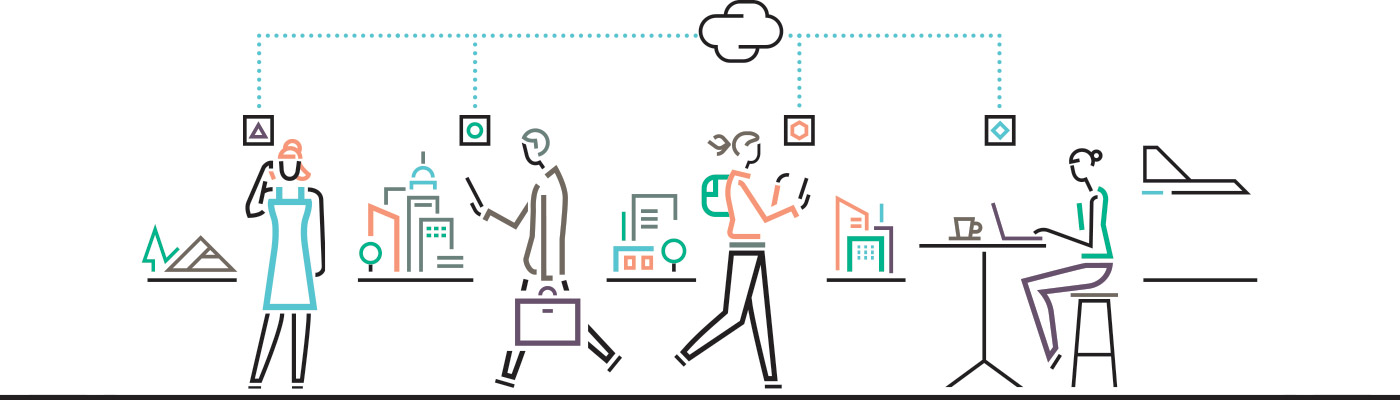
It’s no coincidence that the companies with high millennial retention are those adopting more streamlined, mobile methods such as BYOD policies, cloud-based apps, and anywhere expense-reporting.1 And so we’d be remiss not to mention technology as a factor in the transformational process. Most millennials are more comfortable and more efficient when utilizing modern technology and software—so let them.
Modern business is changing fast. The tools are becoming more and more advanced but it’s also more than that—the way that businesses interact with their employees is undergoing a fundamental change. Getting the most from your employees means, at times, adapting your methods to fit a new age. R u ready?
References
- 1) http://www.forbes.com/sites/jefffromm/2015/11/06/millennials-in-the-workplace-they-dont-need-trophies-but-they-want-reinforcement/#4148cb55127a
- 2) http://www.pewresearch.org/fact-tank/2015/03/19/how-millennials-compare-with-their-grandparents/ft_millennials-education_031715/
- 3) https://www.pwc.com/gx/en/managing-tomorrows-people/future-of-work/assets/reshaping-the-workplace.pdf
- 4) http://www.forbes.com/sites/louisefron/2015/12/13/why-millennials-dont-want-to-work-for-you/#5da7c9983ed4
